


Mexican cuisine is famous around the world for its bold flavors, colorful ingredients, and comforting dishes. While many people associate Mexican meals with heavy cheese, fried foods, and large portions, traditional Mexican cooking actually includes many nutritious ingredients such as beans, vegetables, whole grains, lean proteins, and fresh herbs. Choosing healthy mexican food options can help you enjoy the amazing taste of Mexican cuisine while maintaining a balanced diet. By making simple ingredient swaps and focusing on fresh foods, Mexican meals can become a great choice for people who want both flavor and nutrition. From vegetable-packed tacos to protein-rich bowls, there are many ways to create satisfying meals that support overall wellness.
What Makes Mexican Food Healthy?
Traditional Mexican cuisine is naturally built around many wholesome ingredients. Foods like beans, corn, tomatoes, peppers, avocado, and fresh herbs have been part of Mexican cooking for generations. These ingredients provide essential nutrients, including fiber, vitamins, minerals, and antioxidants that support good health. The key to making Mexican dishes healthier is understanding portion sizes and choosing cooking methods that preserve nutritional value.
A balanced Mexican meal usually includes a combination of carbohydrates, proteins, healthy fats, and vegetables. For example, a bowl made with brown rice, black beans, grilled vegetables, salsa, and avocado offers a variety of nutrients in one meal. When prepared with fresh ingredients instead of processed additions, healthy mexican food can be both satisfying and beneficial for your body.
Benefits of Choosing Healthy Mexican Food
One of the biggest advantages of choosing healthier Mexican dishes is their high nutritional value. Many Mexican ingredients are naturally rich in fiber, which helps improve digestion and keeps you feeling full for longer periods. Beans, lentils, and vegetables are excellent sources of plant-based nutrients that support energy levels and overall health.
Another benefit is that Mexican cuisine offers many protein options. Grilled chicken, fish, beans, and lean meats can provide important protein needed for muscle maintenance and daily activities. Healthy fats from ingredients like avocado and olive oil can also support heart health when consumed in moderation.
Including healthy mexican food in your regular meal plan can make healthy eating easier because the flavors are naturally enjoyable. Instead of feeling restricted, you can enjoy delicious meals while still making choices that support your wellness goals.
Healthy Mexican Breakfast Ideas
Breakfast is an important meal that provides energy for the day ahead. Mexican cuisine offers many nutritious breakfast options that can be adapted for a healthier lifestyle. Traditional dishes can include eggs, vegetables, beans, and whole-grain tortillas to create a balanced morning meal.
A vegetable omelet with peppers, onions, tomatoes, and avocado is a great example of a nutritious Mexican-inspired breakfast. Another option is a breakfast bowl containing scrambled eggs, black beans, salsa, and fresh vegetables. These meals provide protein and fiber, helping you stay satisfied throughout the morning.
Instead of choosing fried breakfast items, healthier preparation methods such as grilling, baking, or lightly sautéing ingredients can reduce unnecessary calories. Adding fresh salsa or herbs can increase flavor without relying on heavy sauces. These simple changes allow you to enjoy healthy mexican food from the beginning of your day.
Nutritious Mexican Lunch Options
Lunch is a perfect opportunity to include flavorful and balanced Mexican meals. Tacos, salads, and bowls can easily be transformed into healthier choices by selecting better ingredients. Using whole-grain tortillas, lean proteins, and plenty of vegetables can create a meal that is both delicious and nourishing.
A grilled chicken taco with lettuce, tomatoes, onions, salsa, and avocado is a simple example of a healthier Mexican lunch. Another option is a Mexican salad with mixed greens, beans, corn, grilled vegetables, and a light dressing. These meals provide important nutrients while keeping the flavors people love.
Many traditional Mexican dishes can be adjusted without losing their authentic taste. Reducing fried ingredients, choosing fresh toppings, and controlling portion sizes are effective ways to make meals healthier. With these changes, healthy mexican food becomes a practical choice for everyday lunches.
Healthy Mexican Dinner Ideas
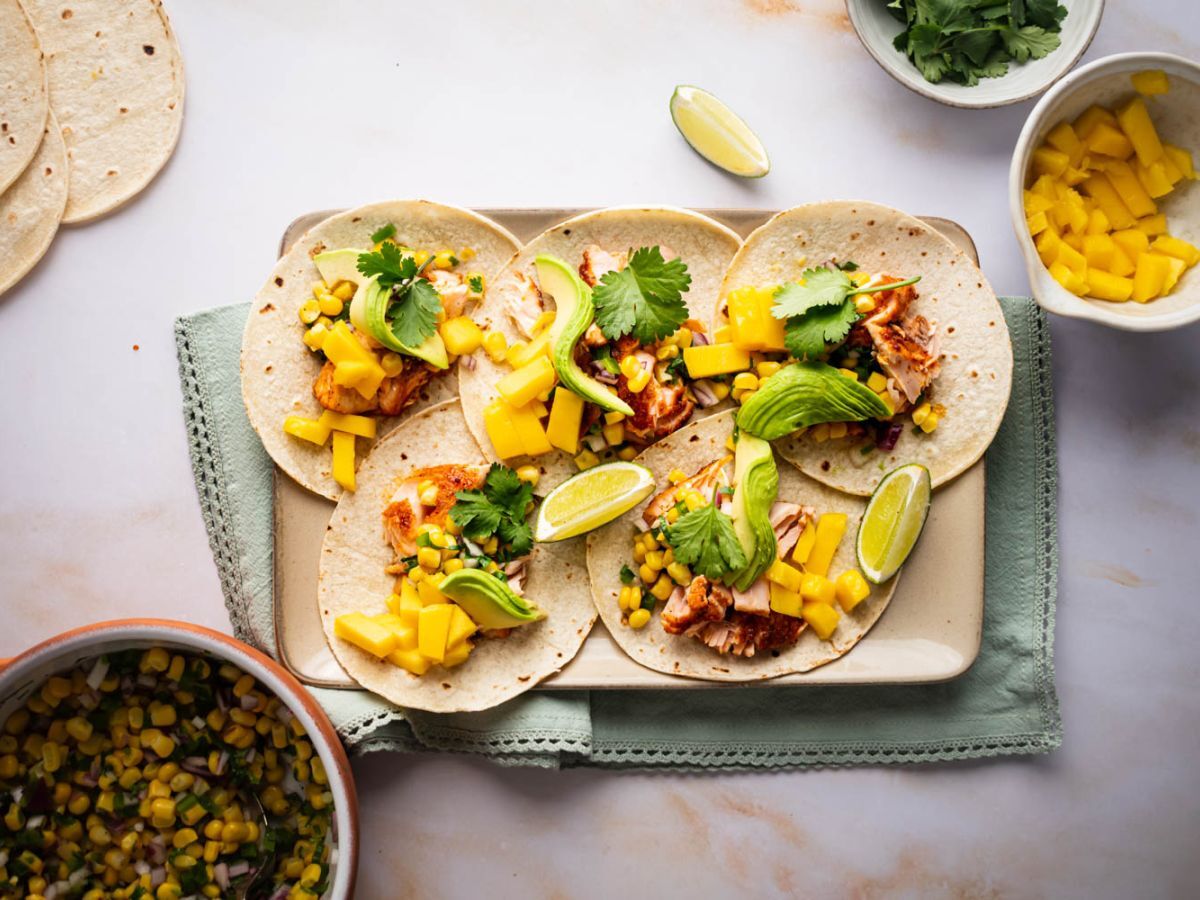
Dinner should provide enough nutrition to support the body while avoiding overly heavy meals. Mexican cuisine offers many dinner ideas that are packed with flavor and nutrients. Grilled fish tacos, vegetable fajitas, bean-based dishes, and homemade burrito bowls are excellent options.
A healthy burrito bowl can include brown rice, black beans, grilled vegetables, chicken or tofu, salsa, and a small amount of avocado. This combination provides carbohydrates for energy, protein for strength, and healthy fats for balance. It is also easy to customize according to personal dietary needs.
Homemade Mexican dinners are often healthier because you can control the ingredients and cooking methods. Instead of relying on excess cheese, creamy sauces, or fried fillings, you can focus on fresh vegetables, herbs, and spices. This approach creates flavorful meals that fit into a balanced lifestyle.

Healthy Ingredients Commonly Used in Mexican Cuisine
Mexican cooking includes many ingredients that naturally support good nutrition. Understanding these ingredients can help you create better meal choices at home.
Beans are one of the most valuable ingredients in Mexican cuisine because they provide fiber, protein, and essential minerals. Black beans, pinto beans, and kidney beans can be added to tacos, soups, salads, and bowls.
Vegetables such as tomatoes, peppers, onions, lettuce, and corn add important vitamins and minerals while improving the taste and appearance of meals. Avocado provides healthy fats and a creamy texture without the need for unhealthy sauces.
Whole grains like corn tortillas and brown rice are better alternatives to refined carbohydrates. Fresh herbs, lime juice, and spices enhance flavor naturally. These ingredients make healthy mexican food a nutritious and enjoyable option for many people.
Tips to Make Mexican Meals Healthier
Making Mexican meals healthier does not require removing the flavors that make the cuisine special. Small adjustments can create a significant difference in nutritional quality.
Choose grilled, baked, or roasted foods instead of fried options whenever possible. Add more vegetables to tacos, bowls, and wraps to increase fiber and nutrients. Replace refined grains with whole-grain alternatives and choose lean protein sources.
Portion control is also important. Mexican meals can sometimes become high in calories because of large servings, extra cheese, and heavy toppings. Eating balanced portions allows you to enjoy your favorite dishes without overconsuming calories.
Preparing meals at home gives you more control over ingredients. Homemade salsa, fresh vegetables, and simple seasonings can create amazing flavors while keeping meals nutritious. These habits make it easier to include healthy mexican food as part of a long-term healthy eating routine.
Healthy Mexican Food for Different Diet Preferences
Mexican cuisine is flexible and can be adapted for different dietary preferences. Vegetarians can enjoy meals based on beans, vegetables, rice, and plant-based proteins. Vegan options can include vegetable tacos, bean bowls, and salsa-based dishes.
People following high-protein diets can choose grilled chicken, fish, eggs, or lean meats. Those looking for lower-carbohydrate options can replace traditional tortillas with lettuce wraps or focus on vegetable-based meals.
The variety of ingredients available in Mexican cooking makes it easy to create meals that match different health goals. Whether someone wants to improve nutrition, manage weight, or simply enjoy better meals, Mexican-inspired dishes provide many possibilities.
Conclusion
Mexican cuisine offers much more than rich and heavy dishes. With the right ingredients and preparation methods, it can become a flavorful and nutritious part of a healthy lifestyle. Fresh vegetables, beans, lean proteins, whole grains, and healthy fats make Mexican meals naturally balanced and satisfying.
Choosing healthy mexican food allows people to enjoy traditional flavors while supporting better nutrition. Simple changes like adding more vegetables, reducing fried ingredients, and selecting healthier cooking methods can transform everyday meals. Whether for breakfast, lunch, or dinner, Mexican-inspired dishes can provide both taste and health benefits. By focusing on fresh and balanced ingredients, anyone can enjoy delicious meals that support long-term wellness.
Read More:- Healthy Fast Food Options for Quick Nutritious Meals