


Introduction
Food is much more than a source of energy. It reflects culture, history, geography, and lifestyle. Among the many culinary traditions around the world, mediterranean food stands out as one of the healthiest and most flavorful ways of eating. Known for its fresh ingredients, vibrant colors, and balanced nutrition, this cuisine has gained global popularity among health-conscious individuals and food enthusiasts alike.
Originating from countries surrounding the Mediterranean Sea, including Greece, Italy, Spain, Turkey, and parts of North Africa and the Middle East, this eating style emphasizes whole foods, healthy fats, lean proteins, and abundant vegetables. Unlike restrictive diets that focus on limitations, it encourages enjoying a variety of natural and wholesome ingredients.
Over the years, researchers have extensively studied the dietary habits of Mediterranean populations. Their findings consistently link this eating pattern to improved heart health, better weight management, reduced inflammation, and increased longevity. Beyond its nutritional benefits, it also promotes a social and balanced approach to meals, making eating a pleasurable and sustainable experience.
In this comprehensive guide, we will explore the origins, ingredients, health benefits, traditional dishes, cooking methods, and practical tips for incorporating this flavorful cuisine into everyday life.
What Is Mediterranean Cuisine?

At its core, Mediterranean cuisine refers to the traditional foods and cooking styles practiced by countries bordering the Mediterranean Sea. While each region has its own unique flavors and recipes, they share several common characteristics.
Fresh vegetables, fruits, legumes, whole grains, nuts, seeds, olive oil, seafood, and herbs form the foundation of many dishes. Processed foods, refined sugars, and excessive saturated fats are generally consumed in smaller amounts.
One of the reasons mediterranean food is so highly regarded is its emphasis on simplicity. Instead of relying on artificial ingredients or heavy processing, recipes often highlight the natural taste of fresh produce and quality ingredients.
Meals are frequently enjoyed with family and friends, creating a strong connection between food, community, and overall well-being.
The History Behind Mediterranean Eating Traditions
The Mediterranean region has been a center of trade, agriculture, and cultural exchange for thousands of years. Ancient civilizations such as the Greeks, Romans, Egyptians, and Phoenicians played significant roles in shaping the foods and cooking techniques still used today.
The region’s climate is ideal for cultivating olives, grapes, wheat, fruits, vegetables, and herbs. These agricultural advantages helped establish dietary patterns centered around fresh and locally sourced ingredients.
Over centuries, trade routes introduced new spices, grains, and culinary ideas. As different cultures interacted, they contributed to a rich and diverse food heritage that continues to evolve while maintaining its traditional roots.
Today, many classic dishes reflect this fascinating blend of influences, showcasing centuries of culinary innovation and cultural exchange.
Core Ingredients That Define Mediterranean Cooking
The foundation of Mediterranean cuisine lies in its high-quality ingredients. These foods provide exceptional flavor while delivering essential nutrients.
Olive Oil: The Heart of the Diet
Extra virgin olive oil is perhaps the most iconic ingredient associated with Mediterranean cooking. It serves as the primary source of fat and is used in salads, marinades, sauces, and cooking.
Rich in monounsaturated fats and antioxidants, olive oil contributes to heart health and helps reduce inflammation throughout the body.
Fresh Fruits and Vegetables
A wide variety of colorful produce is consumed daily. Tomatoes, cucumbers, peppers, eggplants, zucchini, spinach, oranges, figs, grapes, and pomegranates are common examples.
These foods provide vitamins, minerals, antioxidants, and dietary fiber, supporting overall wellness and digestive health.
Whole Grains
Whole grains such as barley, bulgur, oats, farro, and whole wheat are frequently included in meals. Unlike refined grains, they retain their natural fiber and nutrients.
Legumes and Beans
Chickpeas, lentils, beans, and peas are important sources of plant-based protein and fiber. They are often used in soups, salads, stews, and side dishes.
Seafood and Lean Proteins
Fish and seafood are consumed regularly due to their abundance in coastal regions. Poultry is eaten in moderation, while red meat is typically limited.
Nuts and Seeds
Almonds, walnuts, pistachios, sesame seeds, and sunflower seeds contribute healthy fats, protein, and valuable micronutrients.
Nutritional Profile of Mediterranean Foods
The nutritional composition of Mediterranean cuisine is one of its greatest strengths. It offers a balanced combination of macronutrients and micronutrients that support long-term health.
| Nutrient Category | Common Sources | Benefits |
|---|---|---|
| Healthy Fats | Olive oil, nuts, seeds | Heart health and reduced inflammation |
| Protein | Fish, legumes, poultry | Muscle maintenance and repair |
| Fiber | Vegetables, fruits, whole grains | Improved digestion and satiety |
| Vitamins | Fresh produce | Immune support and energy production |
| Minerals | Seafood, legumes, nuts | Bone and metabolic health |
| Antioxidants | Olive oil, berries, herbs | Protection against oxidative stress |
This nutritional balance makes Mediterranean eating suitable for people of various ages and lifestyles.
Health Benefits of Mediterranean Eating
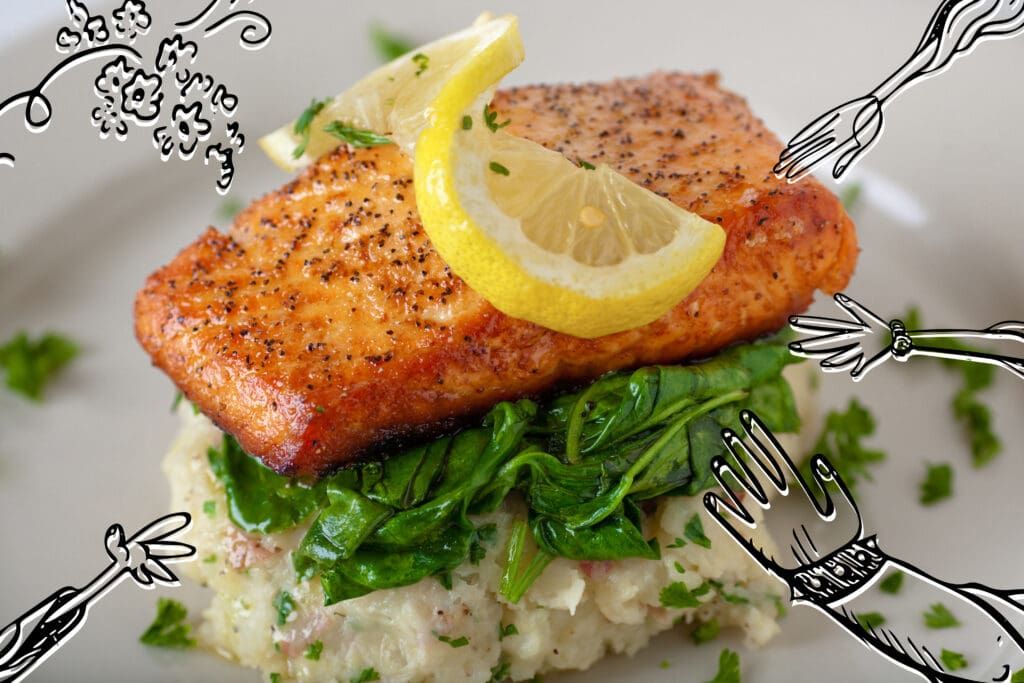
Numerous studies have highlighted the remarkable health benefits associated with Mediterranean dietary habits.
Supports Heart Health
Heart disease remains one of the leading causes of death worldwide. The abundance of healthy fats, fiber, and antioxidants found in Mediterranean meals helps maintain healthy cholesterol levels and supports cardiovascular function.
Research consistently shows that populations following this dietary pattern experience lower rates of heart disease and stroke.
Helps With Weight Management
Unlike restrictive diets, Mediterranean eating focuses on nutrient-dense foods that promote fullness and satisfaction. High fiber content and healthy fats help reduce overeating and support healthy weight management.
Reduces Chronic Inflammation
Chronic inflammation is linked to various health conditions, including diabetes, cardiovascular disease, and arthritis. The antioxidant-rich ingredients commonly found in Mediterranean dishes help combat inflammation naturally.
Promotes Brain Health
Emerging evidence suggests that dietary patterns rich in healthy fats, vegetables, and fish may support cognitive function and reduce the risk of age-related cognitive decline.
Supports Longevity
One reason mediterranean food receives so much attention is its association with longer life expectancy. Many Mediterranean populations have historically experienced lower rates of chronic disease and greater overall longevity.
Popular Traditional Mediterranean Dishes
Mediterranean cuisine offers a wide range of delicious dishes that showcase regional diversity while maintaining nutritional balance.
Greek Salad
This refreshing dish combines tomatoes, cucumbers, onions, olives, and feta cheese with olive oil and herbs.
Hummus
Made from chickpeas, tahini, olive oil, lemon juice, and garlic, hummus is a nutrient-rich dip enjoyed throughout the region.
Falafel
Falafel consists of seasoned ground chickpeas or fava beans formed into balls or patties and cooked until crispy.
Paella
Originating in Spain, paella features rice, seafood, vegetables, and aromatic spices cooked together in a large pan.
Ratatouille
A classic French dish made with eggplant, zucchini, peppers, tomatoes, and herbs.
Grilled Fish
Fresh seafood prepared with olive oil, lemon, and herbs is a staple in many coastal communities.
The popularity of mediterranean food continues to grow globally because these dishes offer both exceptional taste and nutritional value.
Cooking Techniques Used in Mediterranean Kitchens
Cooking methods play an important role in preserving nutrients and enhancing flavor.
Grilling
Grilling allows meats, vegetables, and seafood to develop rich flavors without excessive fat.
Roasting
Roasting vegetables intensifies their natural sweetness while maintaining nutritional quality.
Stewing
Slow-cooked stews combine vegetables, legumes, herbs, and proteins into comforting and nutrient-dense meals.
Fresh Preparation
Many dishes rely on raw vegetables, fruits, and herbs, minimizing nutrient loss and maximizing freshness.
These methods contribute to the wholesome reputation of Mediterranean cuisine.
How to Incorporate Mediterranean Eating Into Daily Life
Transitioning toward a Mediterranean-inspired lifestyle does not require dramatic changes. Small adjustments can make a significant difference.
Begin by replacing butter with olive oil for cooking and dressings. Increase vegetable consumption by including salads and cooked vegetables with most meals. Choose whole grains over refined options whenever possible.
Adding legumes to soups, stews, and salads can boost fiber and protein intake. Incorporating fish into weekly meal plans provides beneficial omega-3 fatty acids.
Another important aspect of mediterranean food is mindful eating. Taking time to enjoy meals and share them with others can improve satisfaction and encourage healthier eating habits.
The Role of Herbs and Spices
Herbs and spices contribute significantly to Mediterranean flavors. Rather than relying heavily on salt, cooks often use natural seasonings to enhance taste.
Popular herbs include basil, oregano, rosemary, thyme, parsley, mint, and dill. Common spices include cumin, paprika, cinnamon, coriander, and saffron.
These ingredients not only add flavor but also provide antioxidants and other beneficial compounds.
The extensive use of herbs is one reason mediterranean food delivers rich flavor without excessive sodium or artificial additives.
Mediterranean Diet vs. Other Popular Diets
Many modern diets focus on eliminating entire food groups or imposing strict limitations. Mediterranean eating differs because it emphasizes balance and sustainability.
Low-carb diets often restrict grains and legumes, while Mediterranean cuisine includes them in moderation. High-protein diets may prioritize meat consumption, whereas Mediterranean meals rely heavily on plant-based foods and seafood.
This balanced approach makes it easier for many people to maintain over the long term. Instead of focusing solely on weight loss, it promotes overall health and lifestyle improvement.
Because of its flexibility, mediterranean food appeals to a wide range of dietary preferences and nutritional needs.
Common Misconceptions About Mediterranean Eating

Several misconceptions surround Mediterranean cuisine.
Some people believe it consists primarily of pasta and bread. While grains are included, meals are typically balanced with vegetables, legumes, healthy fats, and proteins.
Others assume it is expensive. In reality, staples such as beans, lentils, seasonal vegetables, and whole grains are often affordable and widely available.
Another misconception is that it requires complicated cooking techniques. Many traditional recipes are surprisingly simple and rely on a handful of fresh ingredients.
Understanding these facts can make adopting Mediterranean-inspired habits more accessible and realistic.
Key Takeaways
- Mediterranean cuisine emphasizes fresh, whole, minimally processed foods.
- Olive oil serves as the primary source of dietary fat.
- Vegetables, fruits, legumes, whole grains, and seafood form the dietary foundation.
- This eating pattern supports heart health, weight management, and longevity.
- Traditional dishes combine flavor, nutrition, and cultural heritage.
- Herbs and spices provide natural flavor while reducing reliance on excessive salt.
- The lifestyle promotes mindful eating and social connection.
- mediterranean food offers a sustainable and enjoyable approach to long-term wellness.
FAQs
1. What foods are commonly eaten in Mediterranean cuisine?
Common foods include vegetables, fruits, olive oil, legumes, nuts, seeds, whole grains, fish, seafood, and moderate amounts of dairy products.
2. Is Mediterranean eating suitable for weight loss?
Yes. Its emphasis on fiber-rich foods, healthy fats, and balanced meals can support healthy weight management while promoting overall nutrition.
3. Can vegetarians follow Mediterranean eating patterns?
Absolutely. Legumes, vegetables, fruits, whole grains, nuts, and seeds provide ample nutrition for vegetarian lifestyles.
4. Why is olive oil important in Mediterranean cooking?
Olive oil provides healthy monounsaturated fats and antioxidants that support cardiovascular and overall health.
5. How often should fish be consumed?
Many Mediterranean dietary guidelines recommend eating fish several times per week as a source of protein and omega-3 fatty acids.
6. Is Mediterranean cuisine expensive?
Not necessarily. Many staple ingredients such as beans, lentils, vegetables, and grains are budget-friendly and widely available.
7. What makes mediterranean food different from other diets?
It focuses on balance, variety, fresh ingredients, and long-term sustainability rather than strict restrictions or elimination of major food groups.
Conclusion
Mediterranean cuisine represents far more than a collection of recipes. It reflects a lifestyle built around fresh ingredients, balanced nutrition, cultural traditions, and the enjoyment of shared meals. By emphasizing vegetables, fruits, whole grains, legumes, seafood, olive oil, and natural seasonings, it delivers both exceptional flavor and impressive health benefits.
Whether your goal is improving heart health, maintaining a healthy weight, increasing energy levels, or simply enjoying more nutritious meals, adopting Mediterranean-inspired habits can be a practical and rewarding choice. The flexibility, variety, and sustainability of this approach make it one of the most respected dietary patterns in the world. As awareness of healthy eating continues to grow, Mediterranean cuisine remains a timeless example of how delicious food and wellness can go hand in hand.