


Indian cuisine is known around the world for its rich flavors, colorful spices, and wide variety of dishes. From vegetable-based curries and lentils to whole grains and fermented foods, Indian meals often include many ingredients that provide important nutrients. However, the health value of Indian food depends on the cooking methods, portion sizes, and ingredients used. Many traditional Indian recipes are naturally balanced because they combine carbohydrates, proteins, healthy fats, vitamins, and minerals in one meal. When people ask, “is indian food healthy,” the answer depends on how the food is prepared and consumed. Traditional home-cooked Indian food can be a nutritious choice, while heavily fried or processed versions may contain excess calories, salt, and unhealthy fats.
Nutritional Value of Traditional Indian Food
Traditional Indian food offers a wide range of nutrients because it includes different food groups. Common ingredients such as vegetables, pulses, whole grains, dairy products, nuts, seeds, and spices contribute to a balanced diet. Lentils and beans, known as dal in Indian cuisine, are excellent sources of plant-based protein and fiber. Whole grains like brown rice, millet, oats, and whole wheat provide long-lasting energy and support digestive health.
Vegetables are an essential part of many Indian meals and provide vitamins, antioxidants, and minerals that support overall wellness. Spices such as turmeric, ginger, garlic, and cumin not only improve flavor but also contain beneficial compounds. Many traditional Indian dishes are prepared using fresh ingredients rather than highly processed foods, which makes them a healthier option. Understanding these nutritional qualities helps explain why many people consider Indian cuisine a naturally wholesome eating pattern.
Benefits of Indian Food for Health
One of the biggest advantages of Indian food is its variety. A typical Indian meal can include grains, vegetables, protein sources, and healthy fats, creating a balanced nutritional profile. Foods like dal, chana, rajma, and sprouts help meet protein requirements, especially for people following vegetarian diets. These foods also provide fiber, which helps maintain healthy digestion and supports better blood sugar control.
Another benefit is the use of herbs and spices. Ingredients such as turmeric, cinnamon, cloves, and coriander have been traditionally used for their potential health-supporting properties. Homemade Indian meals often contain fewer artificial additives compared to many packaged foods. This combination of natural ingredients and diverse recipes makes Indian cuisine suitable for many healthy eating plans. When prepared with moderate oil and balanced portions, Indian food can support weight management, energy levels, and overall well-being.
Is Indian Food Healthy for Weight Loss?
Many people wonder, is indian food healthy when they are trying to lose weight. The answer is yes, but food choices and preparation methods play an important role. Weight-friendly Indian meals usually include more vegetables, lean proteins, whole grains, and controlled portions of carbohydrates.
Foods like vegetable salads, grilled paneer, dal, sprouts, millet-based dishes, and lightly cooked vegetables can be excellent choices for a weight-loss diet. On the other hand, frequent consumption of deep-fried snacks, sweets, creamy curries, and large portions of rice or bread may increase calorie intake.
A healthy Indian diet does not require avoiding traditional foods completely. Instead, making small changes can create a better balance. Choosing steamed, grilled, or lightly cooked options instead of fried foods and adding more vegetables to meals can make Indian cuisine more suitable for weight management.
Role of Spices in Indian Cuisine
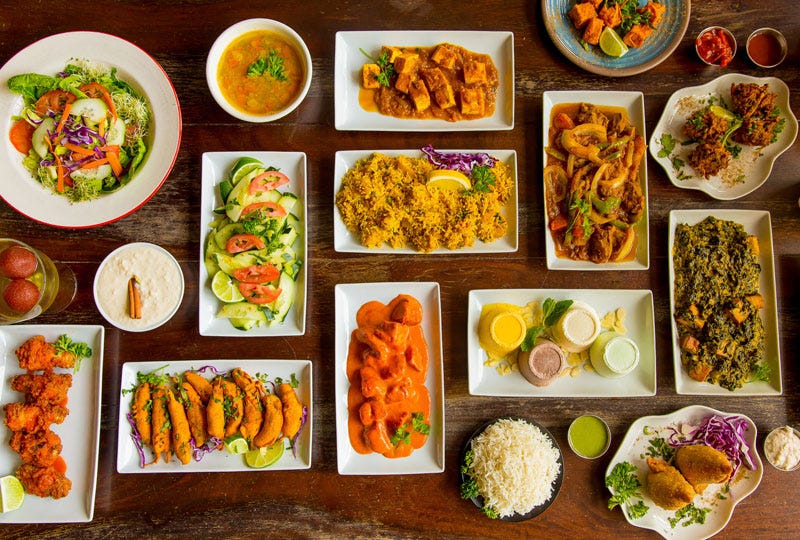
Spices are one of the most unique features of Indian cooking. They add flavor, aroma, and nutritional value to meals. Turmeric contains curcumin, a compound that has been studied for its antioxidant properties. Ginger and garlic are commonly used ingredients that may support general health as part of a balanced diet.
Cumin, coriander, and fenugreek are also popular spices that contribute to the taste and nutritional benefits of Indian dishes. These ingredients allow people to create flavorful meals without depending heavily on unhealthy sauces or excessive fats.
Although spices can provide health benefits, they should not be considered a replacement for medical treatment or a balanced diet. Their benefits are best achieved when combined with nutritious foods and healthy lifestyle habits.
Healthy Indian Foods You Can Include in Your Diet
Indian cuisine provides many healthy food options that can easily become part of a balanced eating plan. Some nutritious choices include:
- Dal and lentil-based dishes for protein and fiber
- Fresh vegetable curries with minimal oil
- Whole wheat chapati and millet-based breads
- Brown rice and other whole grains
- Sprouts and legumes
- Homemade yogurt and buttermilk
- Nuts and seeds
- Fresh fruits and vegetable salads
These foods provide essential nutrients while keeping meals satisfying. A balanced Indian plate usually contains a combination of carbohydrates, proteins, vegetables, and healthy fats. Choosing natural ingredients and avoiding excessive processing can improve the overall nutritional quality of meals.
Unhealthy Indian Foods to Limit
While many Indian foods are healthy, some dishes may become less nutritious depending on how they are prepared. Deep-fried snacks such as samosas, pakoras, and certain sweets are high in calories and fats when consumed frequently. Restaurant-style curries may contain large amounts of butter, cream, salt, or oil.
Processed foods and oversized portions can also reduce the health benefits of traditional Indian cuisine. Eating these foods occasionally is generally fine, but making them a regular part of the diet may contribute to weight gain and other health concerns.
The key is balance. Indian cuisine includes both nutritious and indulgent options, so choosing healthier cooking methods and appropriate portions is important.
How to Make Indian Food Healthier
Making Indian food healthier does not mean removing traditional flavors. Simple cooking adjustments can improve nutrition while keeping meals enjoyable. Using less oil, increasing vegetable portions, and choosing whole grains are some effective methods.
Replacing refined grains with healthier alternatives like millet, brown rice, or whole wheat can increase fiber intake. Adding more legumes and vegetables can improve the protein and nutrient content of meals. Cooking methods such as steaming, roasting, and grilling are better choices compared to deep frying.
Homemade meals often provide better control over ingredients and portion sizes. These small changes allow people to enjoy traditional Indian dishes while maintaining a healthier lifestyle.
Indian Food and Overall Wellness
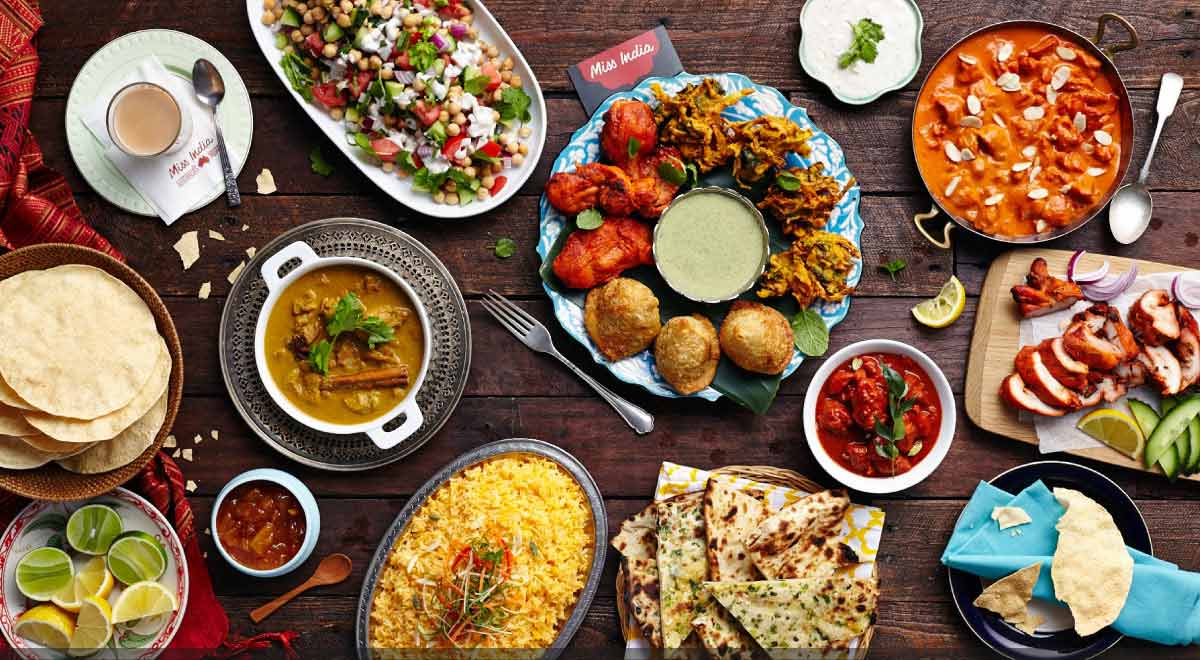
Indian cuisine can support overall wellness because it focuses on diverse ingredients and traditional cooking practices. A balanced Indian meal can provide energy, support digestion, and supply essential nutrients needed by the body.
Many Indian families have followed traditional food patterns for generations, including seasonal vegetables, homemade preparations, and natural ingredients. These habits can contribute to healthier eating when combined with modern nutritional knowledge.
The question “is indian food healthy” cannot be answered with a simple yes or no because Indian cuisine includes many different types of foods. Healthy choices, preparation techniques, and portion control determine the final nutritional value of a meal.
Conclusion
Indian food can be a healthy and nutritious choice when it is prepared with fresh ingredients, balanced portions, and healthy cooking methods. The variety of vegetables, lentils, whole grains, spices, and traditional recipes makes Indian cuisine naturally rich in nutrients. However, fried foods, excessive oils, and large portions should be consumed in moderation.
For anyone asking, is indian food healthy, the answer is that traditional Indian meals can support a healthy lifestyle when chosen wisely. By focusing on balance, mindful eating, and better preparation methods, people can enjoy the delicious flavors of Indian cuisine while maintaining good health.
Read More:- Healthy Mexican Food Ideas for Nutritious and Tasty Meals