


Introduction
The korean skincare routine has become one of the most popular beauty trends worldwide due to its focus on achieving healthy, hydrated, and naturally glowing skin. Unlike quick-fix solutions, this skincare philosophy emphasizes prevention, nourishment, and consistency. People admire Korean beauty practices because they prioritize skin health over simply covering imperfections with makeup.
A well-planned korean skincare routine involves multiple steps designed to cleanse, hydrate, protect, and strengthen the skin barrier. While the traditional approach includes ten steps, individuals can customize the process according to their skin type and lifestyle. Whether you have dry, oily, combination, or sensitive skin, this method offers flexibility and effectiveness.
The growing popularity of Korean skincare is also linked to innovative products featuring ingredients such as green tea, snail mucin, rice extracts, and hyaluronic acid. These ingredients work together to enhance the skin’s natural radiance while addressing concerns like acne, pigmentation, and premature aging. By understanding the principles behind this approach, anyone can create a routine that supports long-term skin health.
Understanding the Philosophy Behind Korean Skincare
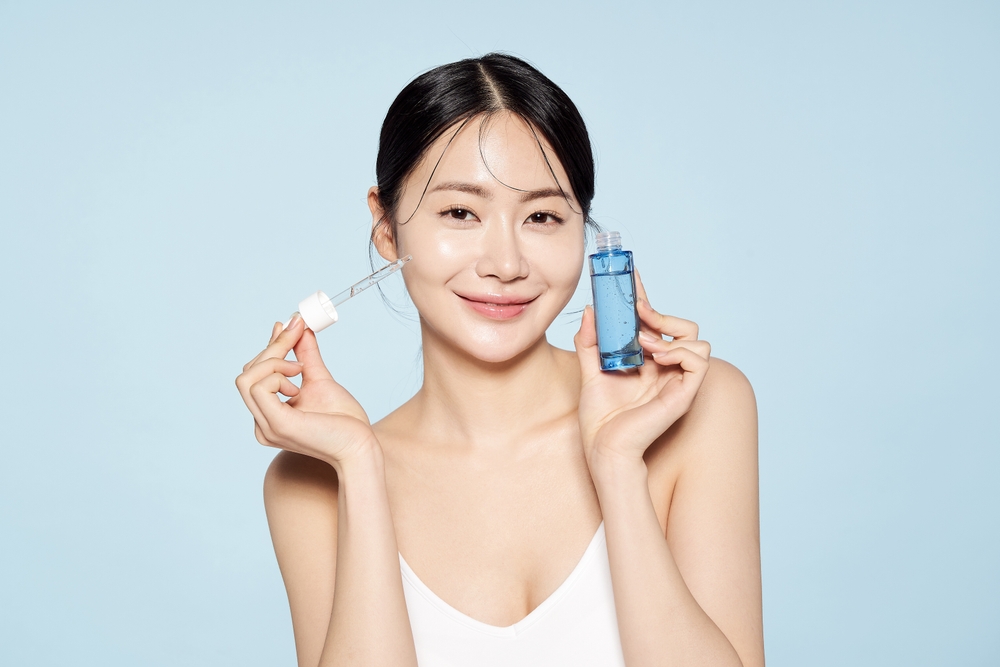
The foundation of Korean beauty lies in prevention rather than correction. Instead of waiting for wrinkles, breakouts, or dullness to appear, skincare enthusiasts focus on maintaining balance and protecting the skin daily. This mindset encourages patience because visible improvements often develop gradually over time.
Hydration is another key principle. Healthy skin requires adequate moisture to function properly, and Korean products are often designed to layer lightweight hydration rather than relying on a single heavy cream. This layering technique helps the skin absorb beneficial ingredients more effectively.
Additionally, gentle care is highly valued. Harsh scrubs and aggressive treatments can compromise the skin barrier, leading to sensitivity and irritation. The korean skincare routine promotes mild cleansing methods and soothing formulations that respect the skin’s natural defenses. Through consistency and proper product selection, individuals can cultivate a brighter and healthier complexion.
Step One: Oil-Based Cleansing
Oil cleansing is the first step in many Korean skincare routines. This method effectively dissolves makeup, sunscreen, excess sebum, and impurities that accumulate throughout the day. Contrary to common misconceptions, oil cleansers can benefit all skin types, including oily and acne-prone skin.
Applying an oil cleanser involves gently massaging it onto dry skin using circular motions. Once the makeup and dirt begin to break down, a small amount of water emulsifies the product, allowing it to rinse away easily. This process prepares the skin for a deeper cleanse without stripping essential moisture.
Regular oil cleansing contributes to clearer pores and smoother skin texture. Since sunscreen and long-wear cosmetics are often resistant to water-based cleansers alone, incorporating this step enhances overall cleanliness and supports the effectiveness of subsequent skincare products.
Step Two: Water-Based Cleansing
Following oil cleansing, a water-based cleanser removes any remaining residue, sweat, and environmental pollutants. This practice, commonly known as double cleansing, ensures that the skin is thoroughly refreshed before treatment products are applied.
Selecting a gentle cleanser is essential for maintaining a healthy skin barrier. Products with balanced pH levels help preserve natural oils while preventing excessive dryness or irritation. Foam cleansers, gel cleansers, and cream cleansers are available to suit different skin needs.
A consistent cleansing routine creates an ideal environment for other skincare products to perform efficiently. Within a korean skincare routine, this step serves as the bridge between purification and nourishment, allowing the skin to fully benefit from hydrating and restorative ingredients.
Step Three: Exfoliation for Smoother Skin
Exfoliation removes dead skin cells that can contribute to dullness, congestion, and uneven texture. However, moderation is crucial. Over-exfoliating may weaken the skin barrier and increase sensitivity.
Chemical exfoliants containing ingredients such as AHAs and BHAs are popular choices because they gently encourage cell turnover without excessive friction. Physical exfoliants can also be used carefully, provided they are not overly abrasive.
Most individuals benefit from exfoliating one to three times weekly, depending on skin tolerance. This step promotes a brighter appearance and enhances the absorption of serums and moisturizers. As part of the korean skincare routine, exfoliation supports a clearer and more refined complexion when performed responsibly.
Step Four: Toning and Hydration Preparation
Toners in Korean skincare differ significantly from traditional alcohol-based formulas. Instead of focusing solely on removing residue, they help restore hydration and prepare the skin to absorb additional products effectively.
Modern toners often contain soothing botanical extracts, humectants, and antioxidant-rich ingredients. Applying toner immediately after cleansing minimizes moisture loss and maintains skin comfort.
Some individuals prefer using their hands to gently pat toner into the skin, while others use cotton pads for application. Regardless of the method chosen, this step establishes the foundation for deeper hydration and contributes to the overall effectiveness of the skincare regimen.
Step Five: Essence and Treatment Products
Essences are lightweight formulations designed to deliver hydration and support skin renewal. They represent a distinctive feature of Korean beauty routines and often contain ingredients aimed at improving brightness, elasticity, and texture.
Following essence application, serums and ampoules address specific concerns such as acne scars, fine lines, hyperpigmentation, or dehydration. These concentrated products allow individuals to personalize their routines according to changing skincare needs.
Consistency plays a major role in achieving visible improvements. By incorporating targeted treatments thoughtfully, the korean skincare routine becomes a highly adaptable system capable of supporting diverse skin goals over time.
Step Six: Moisturizing and Locking in Benefits
Moisturizers help seal hydration within the skin and reinforce the protective barrier. Regardless of skin type, moisturizing remains a vital step in maintaining balance and preventing excessive oil production caused by dehydration.
Gel-based moisturizers may appeal to oily or combination skin, while richer creams often provide comfort for dry or mature skin. Many Korean moisturizers include ingredients such as ceramides, peptides, and botanical extracts that nourish and protect.
Regular moisturizing contributes to softness, resilience, and overall skin health. Within the korean skincare routine, this step ensures that previously applied products remain effective while minimizing moisture loss throughout the day or night.
Step Seven: Sun Protection as Daily Defense
Sunscreen is widely regarded as one of the most important aspects of skincare. Exposure to ultraviolet radiation contributes to premature aging, hyperpigmentation, and an increased risk of skin damage.
Applying broad-spectrum sunscreen each morning provides essential protection against harmful rays. Korean sunscreens are often appreciated for their lightweight textures and comfortable finishes that encourage consistent use.
Reapplication throughout the day enhances effectiveness, particularly during prolonged outdoor activities. By prioritizing sun protection, individuals preserve the results achieved through their skincare efforts and maintain a healthier complexion over the long term.
Customizing Your Korean Skincare Routine
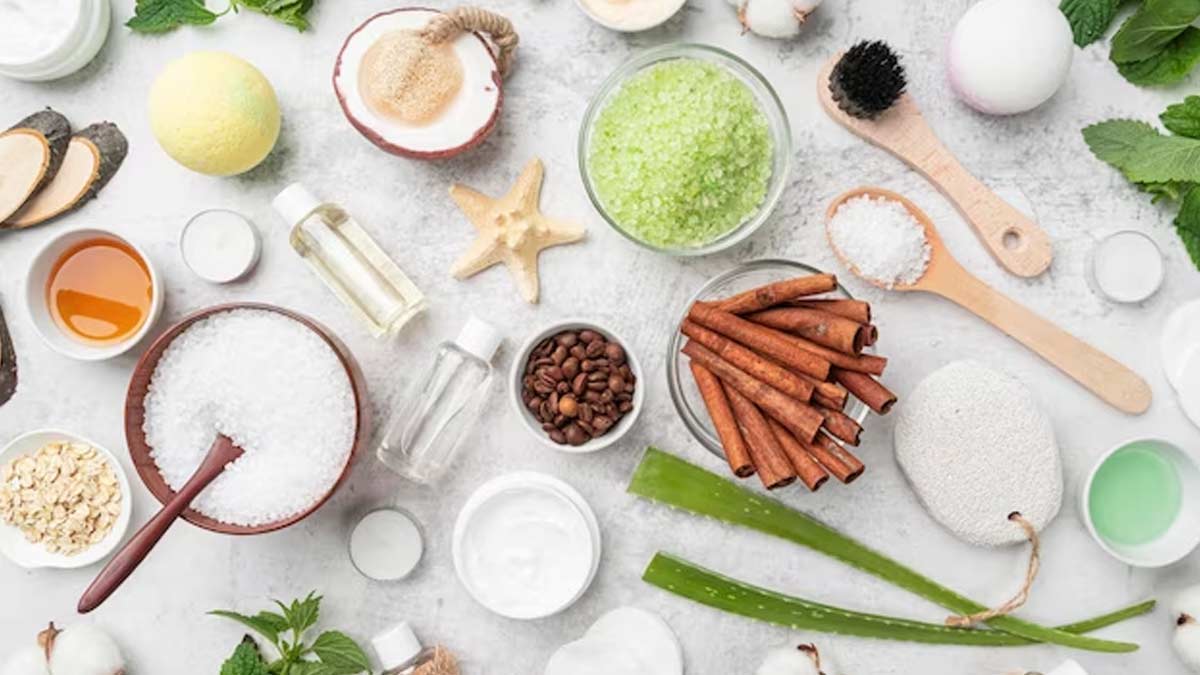
No single routine works universally for everyone. Factors such as climate, age, lifestyle, and individual skin concerns influence product selection and application frequency. Listening to your skin’s changing needs remains essential.
Those with sensitive skin may choose minimalist routines emphasizing soothing ingredients, while individuals addressing pigmentation might incorporate brightening treatments gradually. The adaptability of the korean skincare routine allows for experimentation without abandoning its core principles.
Patch testing new products also minimizes the likelihood of adverse reactions. Building a personalized routine encourages sustainability and increases the chances of maintaining healthy habits consistently.
Conclusion
The korean skincare routine represents more than a collection of beauty products; it reflects a commitment to nurturing the skin through thoughtful and consistent care. By focusing on hydration, prevention, gentle treatment, and sun protection, individuals can support their skin’s natural functions while addressing specific concerns effectively.
Although the traditional approach may involve several steps, customization ensures practicality and long-term adherence. The journey toward healthier skin requires patience, as meaningful improvements often emerge gradually rather than overnight.
Embracing the principles of the korean skincare routine can transform skincare from a daily obligation into a rewarding act of self-care. With dedication and informed choices, achieving a balanced, radiant complexion becomes an attainable goal for people of all skin types.