


Introduction
Losing weight can feel overwhelming when there are countless diets, fitness trends, and nutrition tips competing for attention. However, most successful weight-loss methods share one common principle: consuming fewer calories than your body burns. This concept forms the foundation of a calorie deficit diet plan, one of the most effective and scientifically proven approaches to reducing body fat.
A calorie deficit occurs when your body uses more energy than it receives from food and beverages. When this happens consistently, your body begins utilizing stored fat for fuel, leading to gradual and sustainable weight loss. Unlike fad diets that eliminate entire food groups or require extreme restrictions, a well-structured approach focuses on balance, portion control, and healthy eating habits.
The beauty of this method lies in its flexibility. You can enjoy a variety of foods while still achieving your goals, provided you maintain the right calorie balance. Whether you’re a beginner starting your weight-loss journey or someone looking to improve existing eating habits, understanding how calorie deficits work can help you make informed decisions and avoid common mistakes.
In this comprehensive guide, we’ll explore everything you need to know about creating and maintaining a successful calorie deficit diet plan, including calorie calculations, meal planning, nutrition strategies, common pitfalls, and practical tips for long-term success.
Understanding the Science Behind Weight Loss
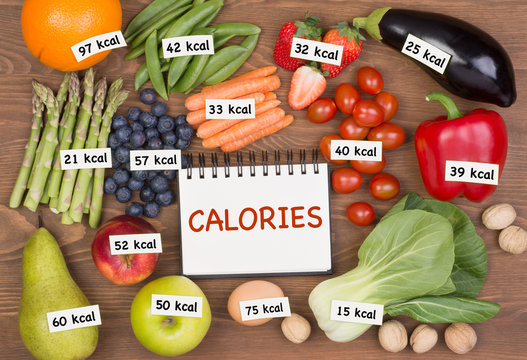
Weight management ultimately comes down to energy balance. Every day, your body burns calories through essential functions such as breathing, digestion, circulation, physical activity, and exercise. The total number of calories your body burns is known as your Total Daily Energy Expenditure (TDEE).
When calorie intake equals calorie expenditure, your weight remains stable. When you consume more calories than you burn, excess energy is stored as fat. Conversely, when you consume fewer calories than your body requires, stored fat becomes an energy source, resulting in weight loss.
A moderate calorie deficit is generally recommended because it allows steady progress while preserving muscle mass and supporting overall health. Rapid weight-loss methods often lead to muscle loss, nutrient deficiencies, and unsustainable eating habits.
The key to success is consistency. Small daily deficits maintained over weeks and months often produce better results than aggressive restrictions that are difficult to follow.
How to Calculate Your Daily Calorie Needs
Before creating a weight-loss strategy, it’s important to determine how many calories your body needs.
Several factors influence calorie requirements:
- Age
- Gender
- Weight
- Height
- Activity level
- Muscle mass
- Metabolic rate
Once you estimate your maintenance calories, you can create a deficit by reducing calorie intake or increasing physical activity.
Recommended Calorie Deficits
| Goal | Daily Deficit | Estimated Weekly Weight Loss |
|---|---|---|
| Slow Weight Loss | 250 Calories | 0.25 kg |
| Moderate Weight Loss | 500 Calories | 0.5 kg |
| Faster Weight Loss | 750 Calories | 0.75 kg |
| Aggressive Deficit | 1000 Calories | 1 kg |
Most health professionals recommend a moderate deficit because it balances effectiveness with sustainability.
When designing a calorie deficit diet plan, aim for gradual progress rather than dramatic short-term results.
The Importance of Nutrient-Dense Foods
Not all calories provide the same nutritional value. While weight loss depends on calorie balance, food quality significantly affects energy levels, hunger, and overall health.
Nutrient-dense foods deliver vitamins, minerals, fiber, and protein while keeping calorie intake under control. These foods help you stay full longer and reduce cravings.
Examples include:
- Fresh fruits
- Vegetables
- Whole grains
- Lean proteins
- Low-fat dairy
- Legumes
- Nuts and seeds
- Healthy fats
Highly processed foods often contain excess sugar, unhealthy fats, and refined carbohydrates, making it easier to exceed calorie targets without feeling satisfied.
Prioritizing whole foods creates a stronger foundation for sustainable weight management.
Building a Balanced Meal Structure
Successful weight loss isn’t about starving yourself. Instead, focus on creating meals that provide balanced nutrition and satiety.
A well-rounded plate should typically include:
Protein Sources
Protein helps preserve muscle mass during weight loss and increases feelings of fullness.
Good options include:
- Chicken breast
- Fish
- Eggs
- Greek yogurt
- Cottage cheese
- Lentils
- Beans
- Tofu
Complex Carbohydrates
Carbohydrates provide energy and support physical performance.
Examples include:
- Brown rice
- Oats
- Sweet potatoes
- Whole wheat bread
- Quinoa
- Barley
Healthy Fats
Healthy fats support hormone production and nutrient absorption.
Examples include:
- Avocados
- Olive oil
- Almonds
- Walnuts
- Chia seeds
- Flaxseeds
Vegetables and Fruits
These foods are rich in fiber and essential nutrients while being relatively low in calories.
A balanced meal structure makes following a calorie deficit diet plan much easier because it naturally controls hunger and improves satisfaction.
Sample One-Day Meal Plan
Here’s an example of a balanced eating day designed for gradual weight loss.
Breakfast
Oatmeal prepared with skim milk, topped with berries and a tablespoon of chia seeds.
Mid-Morning Snack
Greek yogurt with sliced fruit.
Lunch
Grilled chicken breast, brown rice, and mixed vegetables.
Afternoon Snack
Apple with a small serving of almonds.
Dinner
Baked fish with roasted vegetables and quinoa.
Evening Option
Herbal tea or a small protein-rich snack if needed.
This approach provides balanced nutrition while maintaining a reasonable calorie intake.
Why Protein Is Essential During Weight Loss

Protein deserves special attention because of its powerful role in body composition and appetite regulation.
Research consistently shows that higher protein intake can:
- Increase fullness
- Reduce cravings
- Preserve lean muscle mass
- Improve metabolism
- Support recovery from exercise
Many people unknowingly consume insufficient protein while dieting, which may lead to muscle loss and increased hunger.
Including protein at every meal can make a significant difference in long-term success.
When following a calorie deficit diet plan, prioritizing protein is one of the smartest nutritional decisions you can make.
The Role of Exercise in Creating a Calorie Deficit
Although nutrition plays the primary role in weight loss, physical activity provides valuable support.
Exercise helps:
- Burn additional calories
- Preserve muscle mass
- Improve cardiovascular health
- Enhance mood
- Increase energy levels
A combination of resistance training and cardiovascular exercise often produces the best results.
Strength Training
Strength training helps maintain and build muscle tissue during weight loss.
Examples include:
- Weightlifting
- Bodyweight exercises
- Resistance bands
- Functional training
Cardio Activities
Cardiovascular exercise increases calorie expenditure.
Examples include:
- Walking
- Running
- Cycling
- Swimming
- Rowing
The most effective exercise routine is one that you can perform consistently over time.
Common Mistakes That Slow Progress
Many people struggle with weight loss despite their best intentions. Understanding common pitfalls can help prevent frustration.
Eating Too Little
Extremely low-calorie diets often lead to fatigue, muscle loss, and rebound weight gain.
Ignoring Liquid Calories
Sugary drinks, specialty coffees, and alcohol can contribute significant calories without creating fullness.
Underestimating Portions
Even healthy foods can become problematic when portions are excessive.
Skipping Protein
Insufficient protein intake often increases hunger and decreases muscle retention.
Expecting Immediate Results
Weight loss is rarely perfectly linear. Temporary plateaus and fluctuations are normal.
Avoiding these mistakes makes a calorie deficit diet plan more effective and sustainable.
Managing Hunger While Losing Weight
One of the biggest challenges during weight loss is controlling hunger.
Fortunately, several strategies can help:
Increase Fiber Intake
Fiber slows digestion and promotes fullness.
Excellent sources include:
- Vegetables
- Fruits
- Whole grains
- Beans
- Lentils
Stay Hydrated
Sometimes thirst is mistaken for hunger.
Drinking water regularly may help reduce unnecessary snacking.
Eat Slowly
Slower eating gives the brain time to recognize fullness signals.
Choose High-Volume Foods
Foods with high water and fiber content provide more volume for fewer calories.
Examples include salads, soups, berries, and steamed vegetables.
These methods support adherence to a calorie deficit diet plan without constant feelings of deprivation.
Tracking Progress Effectively
Many people rely solely on the scale to measure success, but weight is only one indicator.
Additional tracking methods include:
- Body measurements
- Progress photos
- Clothing fit
- Strength improvements
- Energy levels
- Fitness performance
Weight fluctuations caused by water retention, hormones, and sodium intake can temporarily mask fat loss.
Looking at multiple indicators provides a more accurate picture of progress.
The Importance of Sleep and Stress Management
Nutrition and exercise are crucial, but lifestyle factors also influence weight loss outcomes.
Sleep Quality
Poor sleep may:
- Increase hunger hormones
- Reduce energy levels
- Increase cravings
- Decrease recovery
Most adults benefit from seven to nine hours of quality sleep each night.
Stress Control
Chronic stress can contribute to emotional eating and poor dietary choices.
Helpful stress-management techniques include:
- Meditation
- Deep breathing
- Walking
- Yoga
- Journaling
- Spending time outdoors
Addressing these factors strengthens the effectiveness of a calorie deficit diet plan.
How to Maintain Weight Loss Long Term

Many people lose weight successfully but struggle to keep it off.
Long-term maintenance requires sustainable habits rather than temporary restrictions.
Successful maintainers often:
- Continue monitoring food intake periodically
- Stay physically active
- Prioritize protein
- Eat mostly whole foods
- Practice portion awareness
- Maintain consistent routines
The goal should be creating a healthy lifestyle that remains realistic even after reaching your target weight.
This mindset transforms a short-term calorie deficit diet plan into lasting success.
Key Takeaways
- Weight loss occurs when calorie expenditure exceeds calorie intake.
- A moderate calorie deficit is usually the most sustainable approach.
- Prioritize protein, fiber, fruits, vegetables, and whole foods.
- Strength training helps preserve muscle during fat loss.
- Consistency matters more than perfection.
- Adequate sleep and stress management support better results.
- Progress should be measured using multiple indicators, not just body weight.
- Long-term habit changes are essential for maintaining results.
Frequently Asked Questions (FAQs)
1. What is a calorie deficit?
A calorie deficit occurs when you consume fewer calories than your body burns, forcing it to use stored energy for fuel.
2. How much weight can I lose in a week safely?
Most experts recommend losing approximately 0.5 to 1 kilogram per week through a moderate calorie deficit and healthy lifestyle habits.
3. Can I eat carbohydrates while trying to lose weight?
Yes. Carbohydrates can be part of a healthy weight-loss strategy when consumed in appropriate portions and sourced from whole foods.
4. Do I need to count calories forever?
Not necessarily. Many people track calories initially to learn portion sizes and eventually transition to mindful eating habits.
5. Is exercise required for weight loss?
Weight loss is possible through dietary changes alone, but exercise improves overall health and helps preserve muscle mass.
6. What happens if my weight loss stalls?
Plateaus are normal. Reviewing calorie intake, activity levels, sleep, and consistency can help identify necessary adjustments.
7. Can I follow a calorie deficit if I eat vegetarian foods?
Absolutely. Plant-based proteins, legumes, whole grains, fruits, and vegetables can all support healthy and sustainable weight loss.
Conclusion
Achieving sustainable weight loss doesn’t require extreme diets, expensive supplements, or complicated rules. The fundamental principle remains simple: consume fewer calories than your body burns while prioritizing nutrient-rich foods and healthy lifestyle habits. A properly designed calorie deficit diet plan allows you to lose fat steadily while maintaining energy, preserving muscle mass, and supporting overall well-being.
Success comes from consistency rather than perfection. Focus on creating realistic eating habits, incorporating regular exercise, managing stress, and getting adequate sleep. Small daily improvements compound into significant long-term results. By approaching weight loss with patience and a balanced mindset, you can achieve your goals while building habits that support lifelong health and wellness.