


Introduction
Achieving and maintaining a healthy body weight has become a priority for many people due to changing lifestyles and eating habits. Following a proper diet plan for weight loss does not mean starving yourself or avoiding your favorite foods completely. Instead, it involves making healthier choices, controlling portions, and ensuring that your body receives the nutrients it needs to function effectively. An Indian diet offers a wide variety of wholesome ingredients, including lentils, vegetables, whole grains, fruits, and spices that can support sustainable weight management.
Many individuals believe that losing weight requires expensive supplements or complicated meal programs. However, a well-balanced Indian eating pattern can help you reach your goals without sacrificing taste or nutrition. Consistency, moderation, and mindful eating play significant roles in achieving long-term success. By understanding the principles behind healthy eating and incorporating them into your daily routine, you can develop habits that promote overall wellness while supporting gradual and lasting weight reduction.
Understanding the Importance of a Balanced Diet
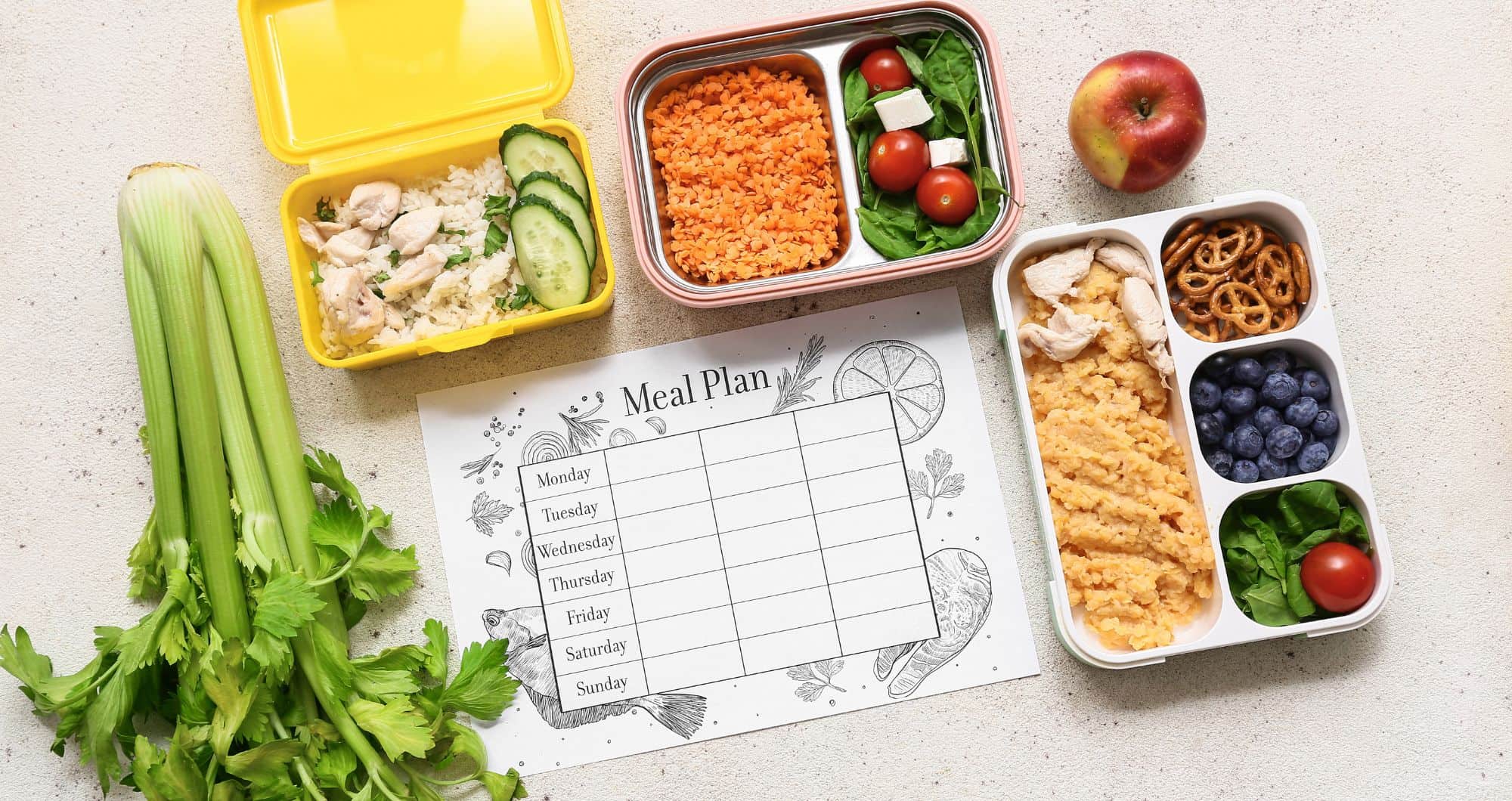
A successful diet plan for weight loss focuses on creating a calorie deficit while still meeting the body’s nutritional requirements. Crash diets may lead to temporary results, but they often cause nutrient deficiencies, fatigue, and rebound weight gain. A balanced approach emphasizes proteins, fiber-rich carbohydrates, healthy fats, vitamins, and minerals.
Indian cuisine naturally provides many nutrient-dense options. Foods such as dal, paneer, yogurt, seasonal vegetables, whole wheat rotis, and brown rice can form the foundation of a healthy meal. Including adequate protein helps preserve muscle mass and keeps you feeling full for longer periods. Fiber-rich foods support digestion and reduce unnecessary snacking by increasing satiety.
In addition to food selection, meal timing and hydration are equally important. Drinking enough water and avoiding excessive consumption of sugary beverages can contribute significantly to weight management. Building a healthy relationship with food allows individuals to enjoy meals while remaining committed to their health objectives.
Principles of an Indian Diet Plan for Weight Loss
Before following any diet plan for weight loss, it is essential to understand a few basic principles that guide healthy eating habits. First, portion control is crucial. Even nutritious foods can contribute to excess calorie intake if consumed in large quantities. Using smaller plates and eating slowly can help regulate portions naturally.
Second, prioritize whole and minimally processed foods. Fresh fruits, vegetables, legumes, and whole grains provide valuable nutrients without unnecessary additives. Third, maintain regular meal patterns. Skipping meals may increase hunger later in the day, leading to overeating.
Limiting fried foods, refined sugar, and highly processed snacks can improve overall dietary quality. Instead of eliminating all treats, practice moderation to create a sustainable routine. Lastly, combine dietary improvements with physical activity such as walking, yoga, or strength training to maximize results. Small, consistent lifestyle changes often produce the most lasting outcomes.
Morning Routine and Breakfast Ideas
The beginning of the day sets the tone for healthy choices. Starting with a glass of warm water or plain water can support hydration. Breakfast should provide a balance of carbohydrates, protein, and fiber to sustain energy levels throughout the morning.
Suitable breakfast options include vegetable oats prepared with seasonal vegetables, moong dal chilla served with mint chutney, poha enriched with peas, or vegetable upma. Those who consume dairy may choose low-fat yogurt paired with fruits and nuts. Boiled eggs with whole grain toast can also be included by non-vegetarians.
A nutritious breakfast prevents excessive hunger and reduces the likelihood of consuming unhealthy snacks later in the day. Consistently choosing balanced morning meals can strengthen adherence to a diet plan for weight loss while improving concentration and productivity during daily activities.
Mid-Morning Snacks and Hydration
Healthy snacking can prevent energy crashes and help control appetite between meals. Instead of packaged chips or sugary products, choose nutrient-rich alternatives that align with your wellness goals.
Fresh fruits such as apples, oranges, papaya, and guava offer vitamins, minerals, and fiber. A small handful of almonds, walnuts, or roasted chickpeas can provide healthy fats and protein. Coconut water and buttermilk may serve as refreshing beverage options in moderation.
Hydration remains essential throughout the day. Sometimes thirst is mistaken for hunger, leading to unnecessary calorie intake. Drinking sufficient water supports metabolic processes and promotes overall well-being. Including appropriate snacks and fluids within your diet plan for weight loss can make healthy eating more manageable and enjoyable.
Healthy Lunch Options for Sustainable Weight Loss
Lunch is often one of the largest meals of the day and should provide balanced nutrition. An ideal plate includes vegetables, protein, and controlled portions of carbohydrates. Half the plate may consist of cooked or raw vegetables, while the remaining portions include whole grains and protein sources.
Examples of healthy lunches include two whole wheat rotis with dal and mixed vegetables, brown rice with rajma and salad, or grilled chicken accompanied by sautéed vegetables. Paneer bhurji with chapati and cucumber salad is another satisfying option.
Avoid consuming excessive quantities of fried foods, creamy gravies, or sugary beverages during lunch. Eating mindfully without distractions can improve digestion and help recognize feelings of fullness. Thoughtful lunch planning contributes significantly to the effectiveness of a diet plan for weight loss.
Evening Snacks and Managing Cravings

Many individuals experience cravings during the evening, especially after long workdays. Preparing healthier alternatives in advance can prevent impulsive food choices that hinder progress.
Roasted makhana, sprouts chaat, herbal tea, and vegetable sandwiches made with whole grain bread are suitable snack options. Fresh fruit combined with a source of protein may also help satisfy hunger until dinner.
Cravings often arise from stress, boredom, or inadequate nutrition earlier in the day. Identifying triggers can support healthier coping strategies. Practicing mindful eating encourages greater awareness of hunger and satiety signals. By addressing cravings constructively, individuals can maintain consistency with their chosen diet plan for weight loss without feeling deprived.
Nutritious Dinner Choices
Dinner should be light yet satisfying. Consuming heavy meals late at night may contribute to discomfort and unnecessary calorie intake. Prioritize lean proteins and vegetables while moderating portions of carbohydrates.
Recommended dinner ideas include vegetable soup with grilled paneer, dal with sautéed vegetables, mixed vegetable curry with one or two rotis, or grilled fish accompanied by salad. Individuals who exercise in the evening may require slightly higher carbohydrate intake to support recovery.
Allowing sufficient time between dinner and bedtime may improve digestion. Establishing regular eating schedules can reinforce healthy habits and support gradual weight reduction. Choosing wholesome evening meals enhances the sustainability of a diet plan for weight loss.
Lifestyle Habits That Support Weight Management
Diet alone is not the only factor influencing body weight. Sleep quality, physical activity, stress management, and consistency all contribute to long-term outcomes. Adults should aim for adequate sleep each night, as sleep deprivation may increase appetite-regulating hormones.
Engaging in regular exercise improves cardiovascular health, preserves muscle mass, and increases energy expenditure. Activities such as brisk walking, cycling, swimming, and yoga can complement dietary efforts. Managing stress through relaxation techniques, hobbies, or meditation may also reduce emotional eating behaviors.
Tracking progress through non-scale victories, such as improved stamina or healthier food choices, can provide motivation. Developing realistic expectations encourages persistence and reduces frustration during the journey toward better health.
Common Mistakes to Avoid
Several misconceptions can interfere with successful weight management. Completely eliminating carbohydrates, skipping meals, relying solely on detox drinks, or following extremely restrictive plans may do more harm than good.
Weight loss is a gradual process that requires patience and commitment. Comparing progress with others can undermine motivation, as individual needs and responses vary considerably. Another common mistake is neglecting protein intake, which may lead to increased hunger and reduced muscle preservation.
Overestimating calories burned during exercise may also result in compensatory overeating. Building awareness around these pitfalls enables individuals to make informed decisions. A practical and balanced approach remains the most effective strategy for maintaining healthy results over time.
Conclusion
Following an Indian diet plan for weight loss can be both nutritious and enjoyable when built around wholesome ingredients and balanced meals. Sustainable weight management does not depend on extreme restrictions but rather on consistent habits that support overall health. By focusing on portion control, regular meal patterns, adequate hydration, and mindful eating, individuals can create a routine that aligns with their goals.
Combining healthy dietary practices with physical activity, stress management, and sufficient sleep enhances the likelihood of long-term success. Every positive choice, no matter how small, contributes to progress. Remember that lasting transformation takes time, and celebrating gradual improvements can help maintain motivation. With dedication and a practical mindset, achieving a healthier lifestyle through a well-structured diet plan for weight loss is entirely possible.