


Introduction
A well-planned weight loss diet chart for female can help achieve fitness goals while maintaining energy, hormonal balance, and overall wellness. Women often have unique nutritional requirements influenced by age, lifestyle, metabolism, and physical activity levels. Following a structured eating pattern rather than extreme dieting encourages gradual and sustainable weight management.
Many women struggle with skipping meals, relying on processed foods, or following restrictive diets that are difficult to maintain. The key to successful weight loss lies in creating healthy habits and choosing nutrient-rich foods that nourish the body. A balanced approach provides adequate protein, fiber, healthy fats, vitamins, and minerals while supporting calorie control.
This article explores an effective weight loss diet chart for female, including meal suggestions, nutritional advice, and practical strategies for maintaining long-term results.
Understanding Female Nutritional Needs
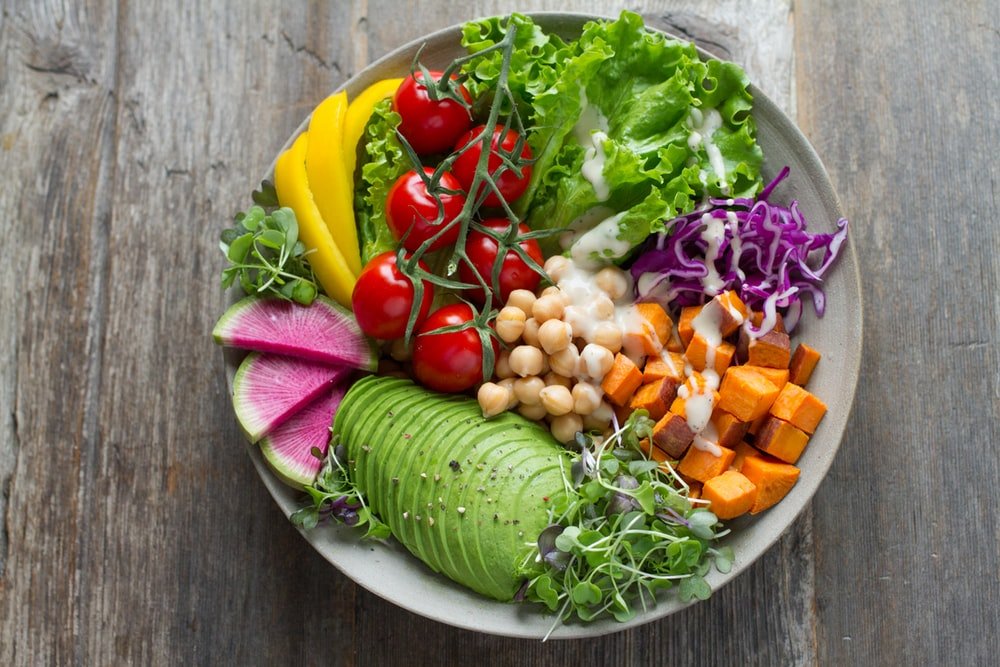
Women’s bodies require a variety of nutrients to function properly. Iron, calcium, protein, and healthy fats play important roles in maintaining bone health, muscle strength, and hormonal balance. While reducing excess calorie intake can contribute to weight loss, eliminating entire food groups may lead to nutritional deficiencies.
A successful eating plan focuses on whole foods such as fruits, vegetables, lean proteins, whole grains, legumes, nuts, and seeds. Hydration is equally important because adequate water intake supports metabolism and digestion.
The purpose of a weight loss diet chart for female is not simply to reduce body weight but to promote a healthier relationship with food. Sustainable changes are far more beneficial than quick-fix solutions that offer temporary results.
Principles of Healthy Weight Loss
Weight loss should occur gradually. Losing approximately 0.5 to 1 kilogram per week is generally considered a realistic target for many individuals. Crash diets can slow metabolism and increase the likelihood of regaining lost weight.
Portion control remains essential. Even nutritious foods should be consumed in appropriate amounts. Eating mindfully and paying attention to hunger signals can prevent overeating.
Regular physical activity complements dietary changes. Combining strength training, cardiovascular exercise, and flexibility workouts enhances overall fitness and supports fat loss. A thoughtfully designed weight loss diet chart for female works best when paired with an active lifestyle and sufficient sleep.
Early Morning Routine
Beginning the day with hydration can positively influence digestion and energy levels. Drinking a glass of warm water with lemon or plain water upon waking may encourage healthy habits.
Some women prefer a small pre-breakfast option such as soaked almonds or a piece of fruit before exercising. The choice depends on individual preferences and activity schedules.
Consistency in meal timing helps regulate appetite and reduce unhealthy snacking. Establishing a structured routine is an important component of an effective weight loss diet chart for female because it encourages discipline without excessive restrictions.
Breakfast Options
Breakfast provides the body with energy after the overnight fasting period. Skipping breakfast may contribute to increased hunger later in the day.
Nutritious breakfast ideas include oatmeal topped with fruits and seeds, vegetable omelets with whole-grain toast, Greek yogurt with berries, or vegetable poha prepared with minimal oil. Smoothies made with fruits, spinach, and protein sources can also be convenient choices.
A balanced breakfast should include protein, fiber, and healthy carbohydrates to support satiety. Women following a weight loss diet chart for female often benefit from avoiding sugary cereals and pastries that may cause fluctuations in blood sugar levels.
Mid-Morning Snacks
Healthy snacks can bridge the gap between meals and help prevent overeating at lunchtime. Fresh fruits such as apples, oranges, or papaya provide vitamins and fiber.
Other options include a handful of nuts, roasted chickpeas, or unsweetened yogurt. Choosing nutrient-dense snacks rather than highly processed foods supports overall nutritional intake.
The inclusion of strategic snacks within a weight loss diet chart for female can stabilize energy levels throughout the day and reduce cravings for less nutritious alternatives.
Lunch Recommendations
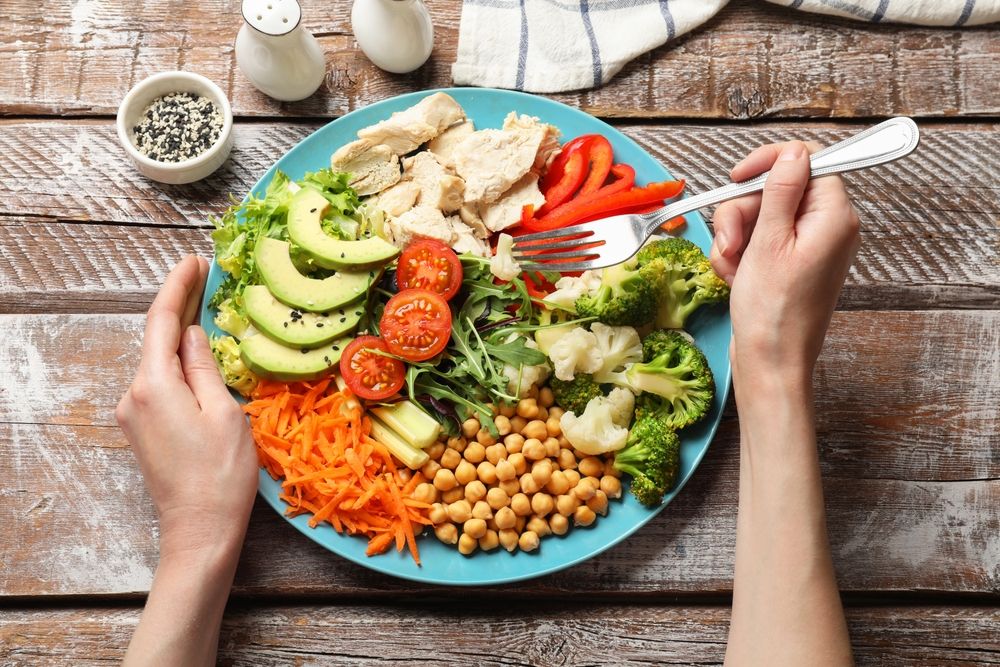
Lunch should offer a combination of lean protein, vegetables, and complex carbohydrates. Examples include grilled chicken with salad, lentils with brown rice, mixed vegetable curry with whole-wheat chapati, or quinoa bowls containing beans and fresh vegetables.
Protein contributes to muscle maintenance and satiety, making it a valuable component of weight management plans. Vegetables provide fiber and essential micronutrients while adding volume to meals without excessive calories.
Planning balanced lunches allows women to remain productive during the afternoon and supports adherence to a weight loss diet chart for female over the long term.
Evening Snack Choices
Many individuals experience cravings during the late afternoon or evening. Selecting healthier alternatives can make a significant difference in daily calorie intake.
Suitable snack choices include green tea with roasted nuts, vegetable sticks with hummus, fruit salads, or homemade soups. Avoiding sugary beverages and fried snacks contributes to better dietary quality.
The objective of a weight loss diet chart for female is not deprivation. Instead, it encourages mindful substitutions that satisfy hunger while aligning with health goals.
Dinner Guidelines
Dinner should ideally be lighter than lunch while still providing adequate nutrition. Grilled fish with steamed vegetables, vegetable soups with whole-grain bread, tofu stir-fries, or salads paired with lean protein are nutritious options.
Eating dinner several hours before bedtime may improve digestion and reduce unnecessary late-night eating. Large portions and heavy meals close to sleep can interfere with comfort and rest quality.
Following appropriate dinner practices strengthens the effectiveness of a weight loss diet chart for female and promotes a balanced daily routine.
Importance of Hydration
Water plays a crucial role in regulating body temperature, transporting nutrients, and supporting metabolic processes. Sometimes thirst can be mistaken for hunger, leading to unnecessary snacking.
Women should aim to maintain adequate hydration levels throughout the day, adjusting intake according to climate and physical activity. Herbal teas and infused water can provide variety without added sugars.
Although hydration alone does not guarantee weight loss, it complements the strategies included in a comprehensive weight loss diet chart for female.
Lifestyle Habits That Support Weight Loss
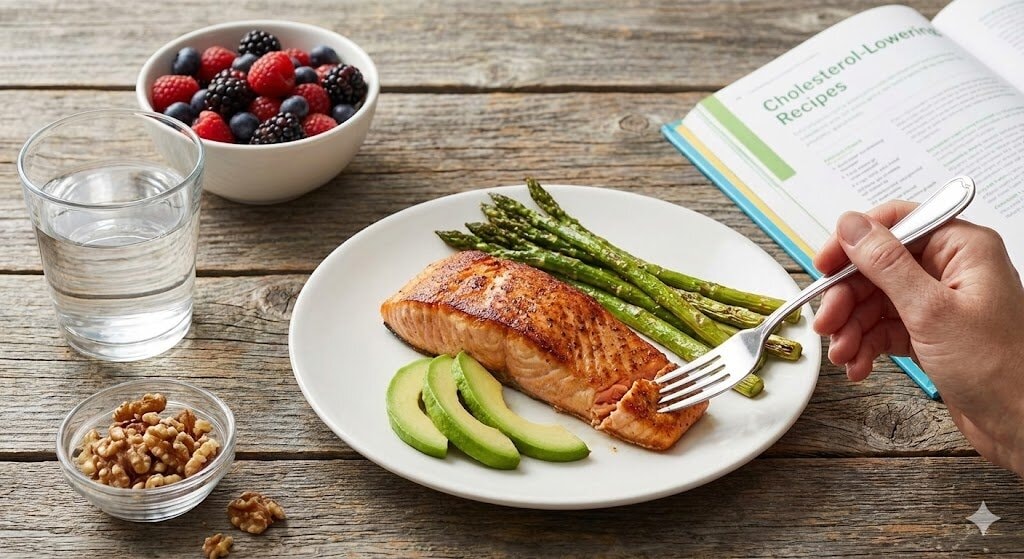
Healthy eating is only one aspect of successful weight management. Regular exercise enhances calorie expenditure and improves cardiovascular health. Strength training preserves muscle mass and supports metabolic function.
Adequate sleep influences hormones associated with appetite regulation. Chronic sleep deprivation may increase cravings and reduce motivation for healthy choices.
Stress management is equally important. Activities such as meditation, journaling, or spending time outdoors can support emotional well-being. Integrating these practices alongside a weight loss diet chart for female creates a holistic approach to health.
Common Mistakes to Avoid
Many women make the mistake of skipping meals in an attempt to accelerate weight loss. This approach can backfire by increasing hunger and encouraging overeating later.
Relying heavily on packaged “diet” products may also be misleading because some contain excessive sugars or sodium. Focusing on whole foods generally provides better nutritional value.
Another common error involves setting unrealistic expectations. Sustainable progress requires patience and consistency. Viewing a weight loss diet chart for female as a long-term lifestyle adjustment rather than a temporary solution can improve outcomes significantly.
Sample Daily Diet Chart
A practical daily schedule may include:
- Early Morning: Warm water and soaked almonds
- Breakfast: Oatmeal with fruits and nuts
- Mid-Morning Snack: Seasonal fruit
- Lunch: Brown rice, lentils, vegetables, and salad
- Evening Snack: Green tea with roasted chickpeas
- Dinner: Grilled protein source with steamed vegetables
- Before Bed: Herbal tea if desired
This example demonstrates balance and variety, which are important features of an effective eating pattern.
Conclusion
Achieving and maintaining a healthy body weight involves much more than calorie counting. A thoughtfully designed weight loss diet chart for female emphasizes balanced nutrition, portion awareness, hydration, and consistent lifestyle habits. By prioritizing whole foods and realistic goals, women can improve their physical health while fostering a positive relationship with eating.
Every individual has unique nutritional requirements influenced by age, activity level, and medical history. Therefore, flexibility and personalization are essential. Rather than pursuing extreme restrictions, adopting sustainable practices offers the greatest potential for lasting success. A practical weight loss diet chart for female serves as a supportive framework that encourages healthier choices and overall well-being for years to come.